Muriatic Acid Costs: Existing Trends & Sector Analysis
Muriatic Acid Costs: Existing Trends & Sector Analysis
Blog Article
The muriatic acid price sector is now facing notable fluctuation driven by a multifaceted mix of factors. International logistics disruptions, rising component expenses, particularly concerning associated gas – a essential source – are primarily contributing to the price hikes. Consumption stays stable across multiple applications, including metallurgy, chemical industry, and water treatment. Regional disparities in costs persist due to shipping charges and localized supply and demand. Experts predict ongoing price fluctuations in the short term while future stability is contingent upon addressing logistics limitations and world economic environment.
Muriatic Acid Price Per Metric Ton : A Complete Guide
Understanding the fluctuating price of muriatic acid per US ton is critical for businesses that employ it. Numerous elements impact the value, including precursor costs , manufacturing expenses , delivery fees , and current trade state. Usually , the cost can range significantly, from approximately $low_price_range to $high_price_range per US ton, hinging on purity , geographic area , and supplier . This guide intends discuss such variables in more depth , supplying insight into anticipating future muriatic acid pricing trends .
Hydrochloric Acid Bulk Price: Factors Influencing Costs
The current cost of bulk hydrochloric muriatic acid is considerably influenced by a range of considerations. Raw material sourcing, particularly salt , plays a key role , as it’s the primary feedstock for its creation. Utility rates, essential for the chlorine-alkali process , substantially influence hydrochloric acid costs . Logistics expenses , which depend on petroleum rates and distribution system availability , also contribute to the overall expense . Finally, commercial need from multiple applications like metals processing and edible handling can establish rate fluctuations .
Here's a summary of influencing factors:
- Input Cost
- Utility Expenses
- Logistics Costs
- Sales Need
Understanding Hydrochloric Acid Bulk Pricing Strategies
Navigating the challenging landscape of hydrochloric muriatic acid bulk pricing requires a keen understanding of several factors. The value of large-volume hydrochloric Hydrochloric Acid Bulk Price acquisitions isn't simply a single number; it varies based on supply, demand, shipping expenses, and grade specifications. Typically, suppliers offer tiered pricing structures, where greater amounts unlock decreased unit prices. Furthermore, long-term agreements frequently secure better rates compared to one-time buys. Consider too the impact of monetary rates and any applicable taxes when comparing quotes from various vendors.
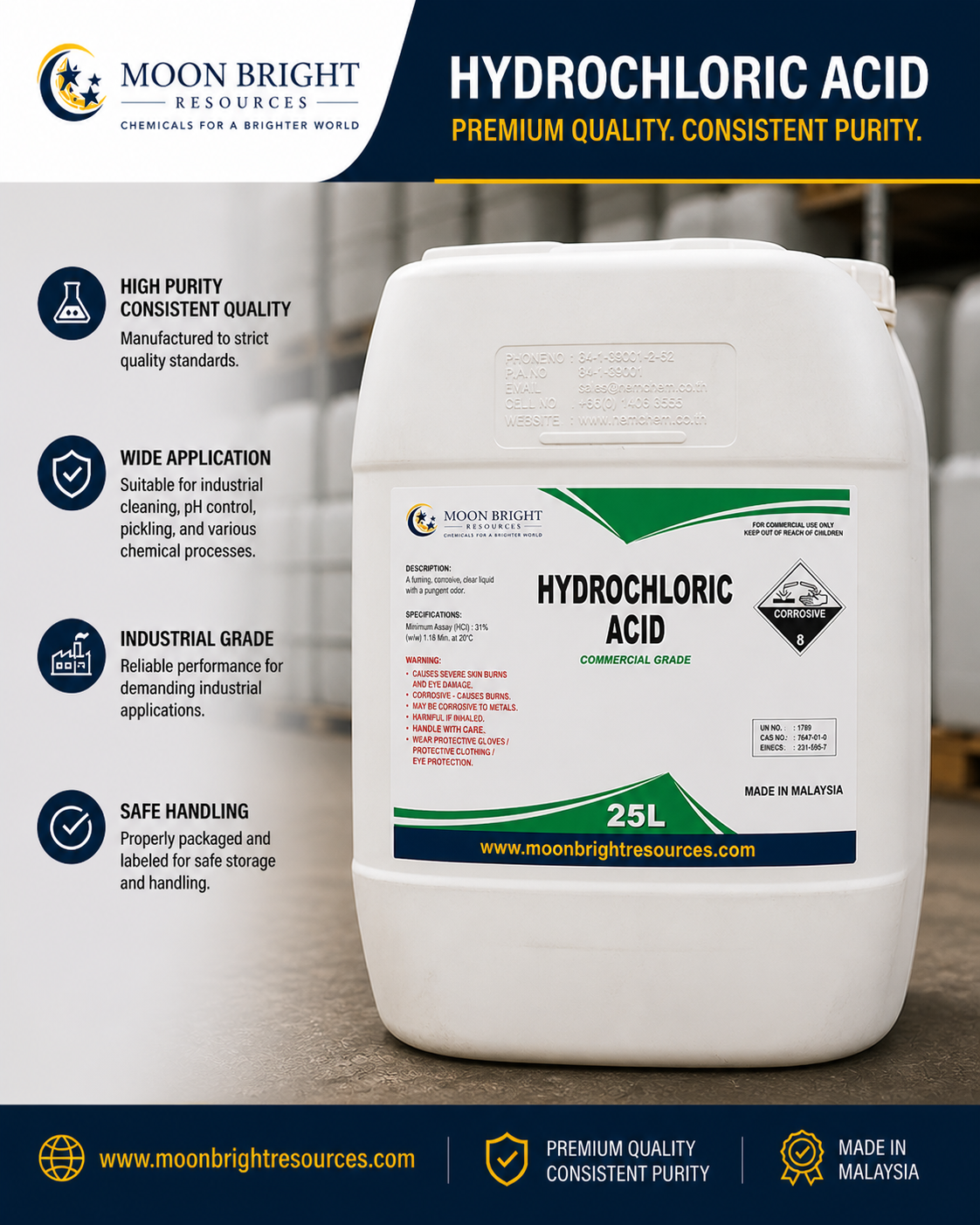
Here’s a quick look at key considerations:
- Volume Reductions: Large order sizes often qualify for sizeable price reductions.
- Contract Agreements: Extended contracts generally provide more value stability.
- Delivery Costs: Delivery rates may substantially change the final cost.
- Quality Requirements: Higher purity hydrochloric muriatic acid commands a higher price.
Locating To Buy Muriatic Substance In Large Volumes : Reputable Distributors & Costs
Securing muriatic substance bulk requires thorough assessment of suppliers . Many manufacturing companies offer this chemical, but selecting a reliable source is essential . Frequent options include large-scale industrial providers, specialty compound companies , and sometimes manufacturer sales . Expenses vary significantly based on amount acquired, purity , transportation destination , and market rates . Estimate charges to range from approximately $ $0.60 to $ $3.00 each gallon for standard quality , with substantial purchases qualifying for volume savings. Remember to ask for bids from several suppliers to evaluate rates and ensure advantageous conditions .
HCl Price Fluctuations: Why Are Affecting the Industry ?
Recent volatility in HCl pricing have spurred significant concern across various industries . Several elements are now driving these movements . Basic costs, particularly connected with Cl2 and dihydrogen, have experienced substantial increases , directly impacting HCl creation expenses . Furthermore, distribution interruptions , stemming from worldwide events and specific limitations , are compounding the situation . Finally, fluctuations in demand from vital utilizing sectors like water treatment and chemical processing play a vital role in shaping the overall industry landscape .
- Basic rates
- Supply Chain interruptions
- Demand from employing fields